SEO is changing in 2025. AI is showing up in Google’s results, users are searching differently, and the old recipes work less. The field isn’t dead, but you have to adapt. If you’re starting from zero, begin with the 10 SEO fundamentals before looking at the evolutions below.
Google’s AI Overviews
The numbers are in: 13.14% of queries display an AI summary in March 2025, vs 6.49% in January. That’s a doubling in three months.
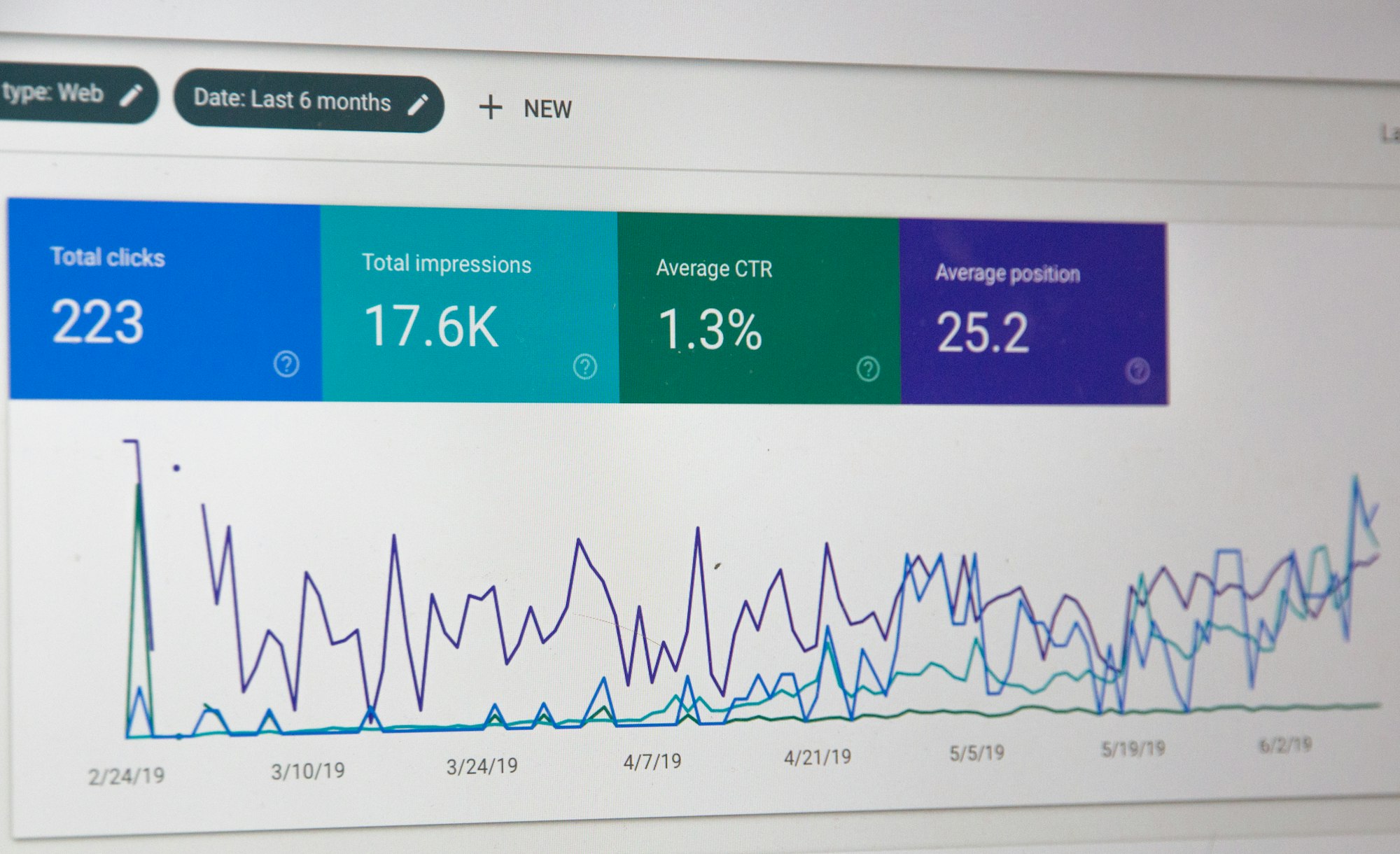
Fewer clicks, more impressions
The problem for websites: clicks dropped 30% over one year, while impressions went up 49%. People read Google’s answer and stop clicking. When organic slows down, the SEA question comes up - we covered it in SEO or SEA in 2026.
Not all industries are in the same boat:
- Health and education: nearly 90% of queries have an AI Overview
- E-commerce: only 4%
- B2B tech: jumped from 36% to 70% in a year
Google chooses where to deploy this tech. E-commerce is spared for now. Health and education, much less.
AI in SEO practices
Professionals are jumping in. According to several industry studies, more than 75% of SEO specialists plan to use AI in 2025, and 47% already do.
What AI is good at
AI speeds up repetitive tasks:
- Keyword research
- Meta tag optimization
- Data analysis
- First drafts of content
It frees up time. But it doesn’t replace strategic thinking.
Search intent matters more than ever
Search intent has always mattered. Now, it’s non-negotiable.
Longer queries
Users type full questions. “Running shoes” becomes “best running shoes for beginner marathon runner”. Search volume per keyword matters less than the ability to answer a real question.
Other search engines emerge
ChatGPT search launched late 2024. It’s estimated to capture 1% of the market this year. Perplexity has more than 15 million users. It’s still marginal next to Google, but things are moving.
AEO is here
AEO (Answer Engine Optimization) is the optimization for these new engines. Referrer traffic numbers:
- ChatGPT: +44%
- Perplexity: +71%
- ChatGPT since June 2024: x145
Small in absolute volume, but the growth is fast.
E-E-A-T: experience front and center
Google added the second “E” (Experience) late 2022. The message: show that you know what you’re talking about because you’ve lived it.
What works
- Content based on real experience
- Verified customer reviews
- Data only you have
- Identifiable authors with verifiable expertise
Against AI-generated content, human authenticity becomes an advantage.
58% of zero-click searches
That’s the number in the US. More than half of Google searches generate no click. AI Overviews, featured snippets, knowledge panels: all of that answers questions without the user needing to visit a site.
Rethinking metrics
Organic traffic isn’t the only indicator anymore. You also need to watch:
- Visibility in rich results
- Citations in AI answers
- Recognition as a trusted source
Being cited without being clicked is frustrating. But it builds authority.
Forums are back
Reddit, Quora, YouTube, specialized forums: these platforms are gaining importance in SERPs. Users tired of generic AI answers are looking for human opinions, real experiences, discussions.
It’s an opportunity for brands able to participate in those communities authentically.
What works in 2025
SEO isn’t dying. It demands more work on substance.
Concretely:
- Use AI for repetitive tasks, keep human judgment for strategy
- Answer real intent rather than chase keyword volumes
- Be present on multiple platforms, not only Google
- Prove expertise with verifiable content
- Accept that some visibility doesn’t generate direct clicks
SEO 2025 FAQ
Is SEO dead in 2025?
No. Practices change, the need for optimization remains.
How to appear in AI Overviews?
Structured content, direct answers to questions, verifiable expertise.
Which ranking factors matter most?
Search intent, E-E-A-T, user experience, original content. On technical signals, CLS (visual stability) remains critical: see CLS diagnostic and fixes.
And after 2025?
The logical follow-up to this state of the union: how to get cited in AI Overviews in 2026.